

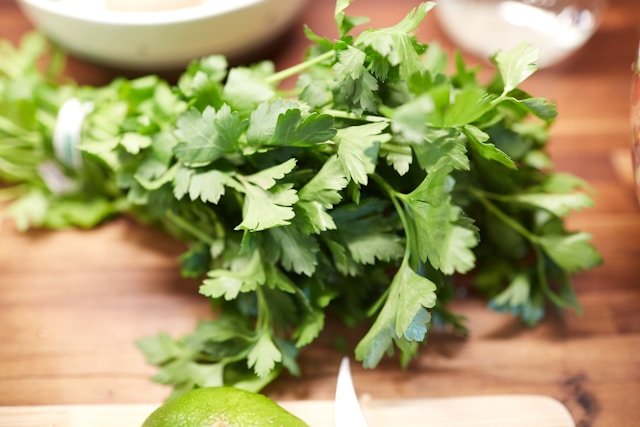
Cilantro is one of the most widely used fresh herbs in American kitchens and restaurants. It shows up in salsas, rice dishes, tacos, soups, and garnishes across countless menus and home recipes. Lately, though, it has been harder to find on grocery store shelves than usual.
This article breaks down whether the shortage is real, what is driving it, and exactly what you can do about it — whether you cook at home or run a restaurant kitchen.
Is There Actually a Cilantro Shortage Right Now?
Yes, but it helps to understand what that actually means. Cilantro has not disappeared from the market. You can still find it in many stores across the country. The better description is a supply squeeze — availability is spotty, stock is thinner than normal, and some areas are feeling it more than others.
Consumers have reported empty spots on produce shelves where cilantro usually sits. Restaurant operators are noticing lower-than-expected deliveries from their suppliers. The problem is real, but it is not uniform. Depending on where you live and where you shop, you may find plenty of cilantro or almost none.
The key point: do not assume the worst if your local store still has stock. And do not assume nothing is wrong if your usual spot has been empty for days. Both situations are happening right now, just in different places.
The Main Reasons Cilantro Supply Has Tightened
There is no single cause here. The current shortage is the result of several problems hitting at the same time, which is exactly why it showed up quickly and feels more serious than a typical seasonal dip.
Weather Disruptions
Cilantro is highly sensitive to weather. Extreme heat, unexpected cold snaps, and irregular rainfall can all reduce yields and push harvest timelines back. Even a short weather event in a key growing region can cut the available supply noticeably.
Because so much of the U.S. cilantro supply comes from a small number of growing regions, one regional disruption ripples outward fast. When one area has a bad week, the broader market feels it.
Pest Pressure and Disease
Pest damage and plant disease add another layer of stress on top of weather problems. When crops are already weakened by unfavorable conditions, disease and pests can reduce usable yield even further. These are not unusual problems for cilantro, but they tend to compound other issues during the same season.
Labor and Transportation Costs
Farm labor shortages have made harvesting slower and more expensive. Rising transportation costs mean that moving fresh herbs from farm to distribution center to store is costlier and sometimes less frequent. Both factors reduce how much cilantro actually makes it onto shelves in good condition.
Think of it this way: supply was already running lean, and then several problems arrived at once. It is less like a crop failure and more like a fresh herb bottleneck — everything tightened up at the same time.
Why Cilantro Is More Vulnerable Than Other Herbs
If you have ever wondered why cilantro shortages seem to happen more often than, say, rosemary shortages, there are a few practical reasons.
First, cilantro bolts quickly in heat. When temperatures climb, the plant rushes toward seed production and the leaves become less flavorful and harvestable. This shrinks the usable harvest window dramatically. A few hot days at the wrong time can end a crop’s best window entirely.
Second, cilantro does not travel or store as well as tougher herbs. Rosemary and thyme can handle shipping stress reasonably well. Cilantro wilts fast, bruises easily, and spoils during transport if conditions are not ideal. That means more of what gets harvested never makes it to a shelf in sellable condition.
Third, demand for cilantro is strong and consistent year-round. People want it in January and July. But growing conditions are highly seasonal, which creates a constant mismatch between what consumers expect and what farms can reliably deliver.
One quick note worth knowing: cilantro and coriander are the same plant. The fresh leaves are called cilantro; the dried seeds are called coriander. If you are searching for supply information under either name, you are looking at the same crop and the same supply chain.
How Restaurants Are Responding to Tight Cilantro Supply
For restaurant operators, tight cilantro supply is not just an inconvenience — it directly affects prep, plating, and customer experience. Here is how many kitchens are handling it right now.
Communicate with Suppliers Early
The most practical step is to contact your produce supplier at the start of the week, not the day you need the order. Ask specifically what volume is available and whether there are any limits. Knowing early gives you time to adjust your prep and menu before service, not during it.
Adjust Portions Temporarily
If supply is limited but still available, consider reducing portion sizes on garnishes and sauces rather than cutting items entirely. A smaller cilantro garnish on a taco is better than telling a customer an item is unavailable.
Use Substitutes That Work for the Dish
Flat-leaf parsley is the most common swap. It does not taste like cilantro, but it provides a similar fresh green note and works well as a garnish. Thai basil is another option for dishes where a slightly bolder herb flavor fits. Green onion tops can work in rice dishes and sauces where cilantro would otherwise be folded in.
The substitution only works if you think about what role cilantro is playing. If it is purely visual, parsley is fine. If it is carrying flavor, you may need to adjust the whole dish slightly.
Pull Cilantro-Heavy Items Temporarily
If certain dishes rely heavily on cilantro and the substitutes do not work well for them, it may be cleaner to remove those items from a rotating menu until supply stabilizes. This avoids putting out a dish that does not meet your usual standard.
What Consumers Can Do When Cilantro Is Hard to Find
Here are direct, practical steps you can take right now as a home cook.
Shop Earlier in the Week
Cilantro stock often runs out before the weekend, when foot traffic in grocery stores peaks. Shopping Monday through Wednesday gives you a better chance of finding fresh bunches before shelves thin out. Restocking often happens mid-week, so earlier is better.
Buy Extra and Freeze It
When you do find cilantro, buy more than you need immediately. Chop it, then freeze it in ice cube trays with a small amount of water or olive oil. Once frozen, transfer the cubes to a sealed bag. These work well in soups, rice, cooked sauces, and marinades. The texture will not be the same as fresh, but the flavor holds up well in cooked applications.
Try Growing Your Own
Cilantro is one of the easier herbs to start from seed. It grows well in containers on a windowsill or in a small garden bed. The key is succession planting — sowing a small amount every two to three weeks so you have a continuous supply rather than one big harvest that bolts all at once. This takes a few weeks to get going, but it is a reliable way to keep cilantro available regardless of what is happening at the store.
Know Your Substitutes
For home cooking, the same substitutes that work in restaurants apply here. Flat-leaf parsley works as a garnish or finishing herb. For dishes like pho or Southeast Asian recipes where cilantro is more central, Thai basil or a small amount of mint can step in. For cooked dishes like salsa verde or rice, parsley holds up well. No substitute is perfect, but most recipes are more flexible than they seem.
How Long Will the Shortage Last?
Based on how these situations typically unfold, the current tightness is most likely temporary. Cilantro shortages tend to ease as growing conditions improve and harvests catch up with demand. That said, as long as weather disruptions, labor pressures, and transportation costs remain elevated, the herb will stay more vulnerable to these supply squeezes than heartier alternatives.
For ongoing coverage of supply chain developments affecting everyday consumers and businesses, Start Business Pitch covers these topics as they develop.
The practical takeaway is this: plan around the shortage now rather than waiting for shelves to refill on their own. Freeze what you find, adjust your recipes, talk to your suppliers early, and consider growing a small batch at home. Cilantro will be back in full supply — but in the meantime, a few simple steps will keep your cooking on track.
Also Read: