

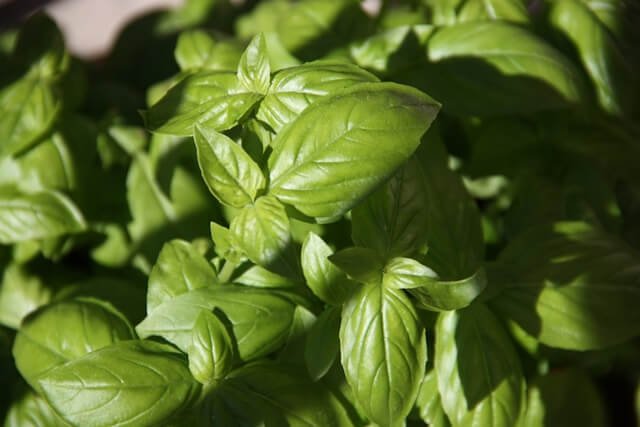
If you have walked into a supermarket recently and found the basil shelf empty, you are not imagining things. Prices are up in some stores, social media is calling it a crisis, and people across the U.S. and UK are posting about bare shelves. But before you panic, it helps to know what is actually going on because the reality is more specific than the headlines suggest.
This article breaks down whether a real basil shortage exists, what is causing supply gaps in certain regions, how it affects your shopping and cooking, and what you can do about it right now.
Is There Actually a Basil Shortage Right Now?
The short answer is: not globally, but yes in some places. There is no widespread global basil shortage in 2026. Global production has remained broadly stable, and commercial growers have largely kept up with demand at an international level.
What is happening is a series of overlapping, localized disruptions in specific markets. These are not the same thing as a global shortage, but they feel very real if you happen to be shopping in one of the affected areas.
It helps to separate three different situations:
- A global production deficit — this is not happening in 2026.
- A regional chronic shortage — this is happening in certain markets, particularly the UK.
- A temporary retail outage — this is the most common reason for empty shelves in the U.S.
In the U.S., there was no national basil shortage as of early 2026. Winter storms in late 2025 caused brief stock problems at some stores, but greenhouse production in California, Florida, and Arizona helped stabilize supply relatively quickly.
Social media has done a lot of the heavy lifting in turning regional problems into a perceived global crisis. When someone in Chicago posts a video of an empty herb shelf, it gets shared by people in London and Sydney who assume the same thing is happening everywhere. It is not.
A Reddit thread from Chicago showed a user visiting four mainstream grocery stores and finding no packaged basil. But Asian groceries nearby still had large bags of Thai basil and living herb plants. The basil had not disappeared it was just not in the format or store that person usually bought it from.
What Is Causing the Supply Gaps
Several factors are hitting at once. None of them alone would cause a major problem, but together they are creating noticeable gaps in certain markets.
Weather Is the Biggest Factor
Basil is a warm-season herb. It is frost-sensitive, grows slowly in cold temperatures, and can be wiped out by an unexpected freeze. When greenhouse structures take damage from unseasonal snow or high winds, output drops fast.
Record flooding in Hawaii one of the key basil-producing regions for the U.S. mainland directly cut basil output in 2026. Industry publication HortiDaily quoted a grower saying the basil supply had “taken a big hit,” pointing specifically to those floods as a contributing cause. When a major growing region gets hit by extreme weather, the ripple effect reaches supermarket shelves within days.
Geopolitical Pressure Is a Factor for the UK
The UK relies heavily on imported basil, especially during colder months. A March 2026 report warned that the UK could face a severe basil shortage, partly due to disrupted import routes linked to geopolitical tension and severe weather affecting supplier countries.
When trade routes are disrupted, freight costs rise. Insurance on perishable shipments goes up. Suppliers pull back. For a herb with a very short shelf life, even a small delay in transit can render an entire shipment unusable.
Short Shelf Life Makes Gaps Worse
Fresh cut basil does not last long. Because of this, retailers and wholesalers tend to cut orders quickly at the first sign of disruption. That cautious behavior can amplify the apparent scarcity on shelves even when there is still basil growing in greenhouses somewhere.
This is why packaged basil disappears from mainstream stores first, while living potted plants which move through a different supply chain often remain available.
Demand Is Up
Fresh herb demand jumped in 2026. That means any supply dip hits harder than it would in a lower-demand year. Even a modest disruption can cause visible gaps when more people than usual are reaching for the same product.
How This Affects Prices, Stores, and Restaurants
Here is what you will likely see as a result of these disruptions, depending on where you live.
At the supermarket: Expect higher prices, smaller bunches, or only living potted plants instead of pre-cut clamshells. Packaged cut basil disappears first because of its short shelf life and the way logistics decisions get made during supply stress.
At ethnic grocery stores: These often have more stock. Thai basil, holy basil, and large-leaf varieties turn up more consistently at Asian markets and independent grocers who source through different channels than the major chains.
At restaurants: Some kitchens are temporarily switching from fresh to frozen basil. Others are reducing pesto-heavy menu items or sourcing from more distant suppliers at a higher cost. A pizzeria facing inconsistent supply might move fresh basil to premium-only dishes and use a herb blend elsewhere.
The good news is that price spikes are expected to be temporary in most markets. The UK faces more prolonged pressure due to its import dependency, but for most U.S. shoppers, the disruption should ease as growing conditions stabilize.
For context, the global basil leaves market is still projected to grow from roughly $1.4 billion in 2026 to $1.9 billion by 2033. Long-term investment in supply is following demand, which means growers have strong financial incentive to solve these problems not let them drag on.
Where to Find Basil When Shelves Are Empty
If your usual store is out, try these steps in order.
- Check for living herb plants. Garden centers and supermarkets often stock potted basil plants through a completely different supply chain than pre-cut packaged herbs. A living plant gives you weeks of fresh leaves if you keep it watered and on a sunny windowsill.
- Try an Asian or international grocery store. These shops frequently carry Thai basil, holy basil, or large-bunch fresh basil even when mainstream supermarkets are out. The flavor profile is slightly different but works well in most cooked dishes.
- Check a farmers market. Local growers selling at markets are not tied to the same wholesale logistics as supermarkets. Supply gaps that hit chain stores often do not affect them at the same time.
- Look online for delivery. Some specialty food retailers and herb suppliers ship living plants or vacuum-packed fresh basil directly. Prices may be higher, but if you need it for a specific recipe, it is worth checking.
How to Substitute Basil When You Cannot Find It
If basil is genuinely unavailable or too expensive, these substitutes work well depending on what you are making.
- For pesto: Use parsley as the base herb, add a smaller amount of dried basil if you have it, and the result is close enough for most palates. Spinach-based pesto is another reliable option.
- For pizza and pasta: Fresh oregano, flat-leaf parsley, or a light sprinkle of dried basil at the end of cooking all work. They change the flavor slightly but do not ruin the dish.
- For Thai dishes: Thai basil is a closer match than Italian basil for stir-fries and curries. It has a slightly anise-like flavor that holds up well to heat. Fresh mint can also stand in for some Thai recipes.
- Frozen basil cubes: Many supermarkets stock frozen herb cubes in the freezer aisle. These are processed but work fine in cooked sauces, soups, and marinades.
How to Grow Your Own Basil at Home
Growing basil at home is easier than most people expect, and it is the most reliable way to stop depending on supermarket supply entirely.
Step 1: Start with a living plant, not seeds. A potted basil plant from a garden center gives you usable leaves within days. Seeds take three to four weeks to reach harvesting size.
Step 2: Put it in the brightest spot you have. Basil needs at least six hours of direct sun per day. A south-facing windowsill works well. If you do not have good natural light, a basic grow light for four to six hours a day is enough.
Step 3: Water at the base, not the leaves. Wet leaves cause rot. Let the top inch of soil dry out between waterings, then water thoroughly.
Step 4: Pinch off flower buds as they appear. Once basil flowers, leaf production slows and flavor drops. Pinching the buds back keeps the plant focused on growing leaves.
Step 5: Harvest from the top down. Cut stems just above a leaf node. The plant will branch out and produce more leaves over time.
Two or three pots growing under a basic LED grow light can supply a household with fresh basil year-round and make retail supply gaps largely irrelevant.
What to Expect Going Forward
The current disruptions are real but not permanent. U.S. supply has already been stabilizing thanks to domestic greenhouse production. The UK situation is more uncertain, given its dependence on imports and.
Also Read: