

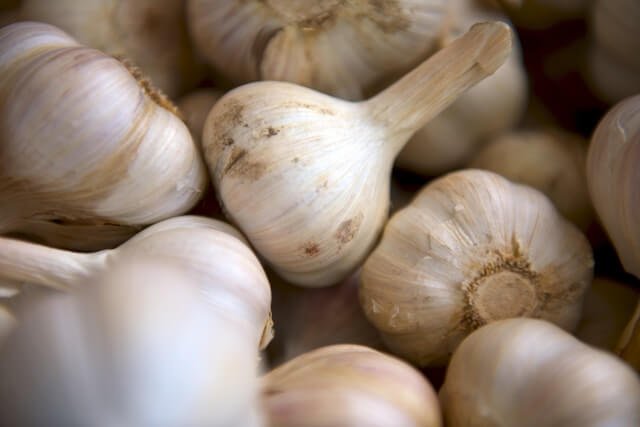
Garlic prices are up. Bulbs are smaller. Suppliers are telling buyers to order earlier than usual. But walk into most grocery stores and the shelves are not empty. So what is actually going on?
This article breaks down whether there is a real garlic shortage in 2026, what is driving it, who it affects most, and what you can do right now whether you are a home cook or a business buyer.
Is There Actually a Garlic Shortage in 2026?
The short answer: not exactly. The more accurate description is tight supply and pricing pressure, not a collapse of global garlic production.
For everyday consumers, this mostly means higher prices, slightly smaller bulbs, and more processed options like jarred or pre-minced garlic on store shelves. You are unlikely to find an empty garlic section at your local supermarket.
For businesses restaurants, food manufacturers, and importers the impact is more serious. Lead times are longer. Dehydrated garlic products are harder to source in large volumes. Minimum order sizes are going up.
What makes 2026 different is the lack of buffer. Inventory cushions are thin, which means any new disruption a bad weather event, a logistics delay, a policy change can cause prices to jump faster than in previous years. Industry observers describe this season as structurally tight, not a one-time crisis.
Why China Controls the Global Garlic Price
To understand why your grocery bill is affected by what happens in a field thousands of miles away, you need to know one fact: China produces roughly 70 to 75 percent of all garlic in the world.
No other country comes close. India, Spain, Argentina, and California all grow garlic, but none can replace Chinese volume at scale. When Chinese supply tightens, prices move globally fast.
In late 2025 and into 2026, parts of China experienced unfavorable growing conditions. Excess rainfall, frost events, and heat disrupted planting and reduced both yields and quality. Because garlic is planted months before harvest, those weather problems now show up as tighter supply in 2026.
To put the scale in perspective: Christopher Ranch, one of California’s largest garlic producers, harvested around 100 million pounds in a recent strong season about a 10 percent increase over the prior year. That helped ease a U.S. shortage at the time. But even that record domestic harvest barely made a dent in global supply. That is how dominant China’s position is.
The Other Factors Pushing Garlic Prices Higher
Weather in China is the headline, but several other pressures are working at the same time.
Rising Farm Costs
Fertilizer, energy, irrigation, and land costs have gone up in most major garlic-producing countries. These input cost increases do not make the news, but they quietly raise the price of every bulb that reaches your plate.
Labor Costs
Garlic especially hardneck and specialty varieties is largely hand-harvested. It is labor-intensive work. As wages rise and farm labor becomes harder to find, the cost per unit goes up directly. There is no easy way to automate this at scale.
Shipping and Logistics
Even when garlic is grown and harvested without problems, getting it to buyers costs more than it used to. Higher freight rates, fuel costs, and container availability issues all add to the delivered price of imported garlic, even if the farm-gate price has not moved much.
U.S. Tariffs on Chinese Goods
U.S. tariffs of up to 25 percent on Chinese goods cover garlic. This means American importers pay more for Chinese garlic regardless of what is happening at the farm level. When you combine tariffs with tight physical supply, the price effect for U.S. buyers is amplified significantly.
Demand Is Growing
This is not just a supply story. Global demand for garlic is rising steadily. The global garlic market is valued at approximately $24.9 billion in 2026 and is projected to reach around $30.1 billion by 2030. Processed foods, clean-label ingredient trends, and health-conscious consumers are all driving that growth. More demand against tighter supply pushes prices in one direction.
How This Plays Out Differently for Consumers vs. Businesses
If You Are a Home Cook
You will likely notice two things: prices are a bit higher, and the bulbs at your store may be smaller than you are used to. You might also see more jarred minced garlic, frozen garlic cubes, and similar processed options. Retailers are adjusting their sourcing and stocking more shelf-stable alternatives.
Do not panic-buy. Hoarding garlic as an individual does not fix the underlying supply issue it just makes local availability worse for everyone else. Buy what you need.
If prices stay high, there are practical options. Frozen garlic cubes work well in cooked dishes. Jarred minced garlic is convenient and shelf-stable. Other aromatics like shallots, leeks, and onions can fill some of the flavor gap. Garlic-infused oil is another option for adding that flavor without using whole bulbs.
If You Run a Food Business
The impact here is more significant and requires active steps. Here is what to do:
- Order earlier than usual. Suppliers are flagging longer lead times. If you wait until you are nearly out of stock, you may face delays or have to pay spot-market prices.
- Use contracts instead of spot buying. Locking in supply agreements now helps protect you from mid-season price spikes. Spot buying in a tight market is expensive and unreliable.
- Diversify your supplier origins. If you source entirely from China, explore suppliers in India, Spain, or California. None of them can replace Chinese volume fully, but spreading your sourcing reduces your risk if one origin is disrupted.
- Be flexible on specifications. Being rigid about bulb size, variety, or format limits your options. If you can accept a range of granule sizes for dehydrated garlic, or use a slightly different variety, you will have more suppliers to choose from.
- Review your formulations. Some food manufacturers are experimenting with garlic-onion blends or reducing garlic intensity slightly in recipes where it is not the primary flavor. This is not about cutting corners it is about resilience.
- Hold modest safety stock. With thin inventory buffers in the market, a small disruption can cause faster-than-usual price spikes. Holding a few extra weeks of stock can protect your margins and your production schedule.
A practical example: a restaurant chain using large volumes of garlic powder and minced garlic might see its supplier raise prices 15 to 25 percent and increase minimum orders. The smarter chains are already locking in longer-term contracts and testing garlic-onion blends in some menu items to reduce exposure.
How Long Will This Last?
Industry commentary points to 2026 as a period of ongoing structural tightness, not a temporary blip that will resolve itself by next season. The market is more sensitive than in previous years because inventory buffers are thin.
That said, garlic markets can shift quickly. FreshPlaza data shows that oversupply and price crashes have happened before sometimes in the same year as warnings of tightness, depending on how harvests and storage decisions play out. In fact, some early 2026 data showed fresh garlic feedstock costs softening temporarily in certain regions as supply surged, briefly lowering costs for dehydrated garlic processors.
The honest outlook is ongoing volatility, not a straight line upward. Climate variability, energy and transport costs, tariffs, and rising demand are all structural factors that are not going away quickly. Expecting garlic to return to the ultra-low prices of a few years ago is probably unrealistic in the near term.
For broader context on how commodity supply shifts affect businesses and consumers, Start Business Pitch covers these economic trends regularly.
What You Should Actually Do Right Now
Here is a quick summary based on who you are:
- Home cook: Buy what you need, skip hoarding, try frozen or jarred garlic as alternatives, and experiment with other aromatics when prices spike.
- Restaurant owner: Lock in supplier contracts now, increase order frequency, and review menu items to reduce dependency on single-source garlic.
- Food manufacturer: Diversify origins, increase safety stock modestly, be flexible on product specs, and consider whether formulations can be adjusted without harming quality.
- Importer or distributor: Watch tariff policy closely, plan for longer lead times, and avoid relying entirely on spot-market purchasing through 2026.
The 2026 garlic situation is not a reason to panic. It is a reason to plan ahead. The supply is there — it is just tighter, more expensive to move, and more vulnerable to new disruptions than it used to be. The businesses and consumers who treat it that way will come through the season in much better shape than those who wait and react.
Also Read: