

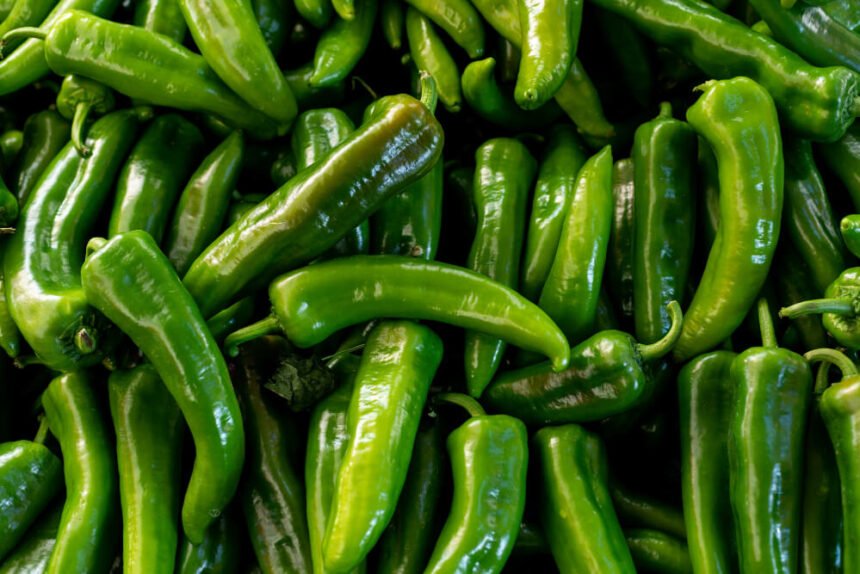
If you have walked past an empty jalapeño bin recently or noticed the price creeping up, you are not imagining things. Shoppers in some areas are finding thin stock, paying more per pound, or leaving the store empty-handed. The problem is not limited to one store or one city.
This article covers what is actually happening, why supply is tight, which other peppers are caught up in the same problem, what it means for prices, and what you can do about it right now.
Is There Actually a Jalapeño Shortage Right Now?
Yes, but it is not a total collapse. The better way to describe it is a tight or short supply in specific markets and distribution lanes not an across-the-board disappearance from every store in the country.
Market reports from late March and May 2026 both flag jalapeños as under significant pressure. The Performance Foodservice market report from March 2026 and a Lupa Foods update from May 2026 both confirm that jalapeño supply is short in certain distribution channels.
Availability is uneven. Some stores still have jalapeños because they have stronger supplier relationships or source from less-affected corridors. Others have empty bins. When wholesale supply gets tight, distributors tend to prioritize their highest-volume buyers first. That means smaller stores may run out before a true market-wide shortage exists.
Think of it like a traffic jam in the produce supply chain. Peppers are still moving, but not fast enough or in large enough quantities to fill every shelf.
The Main Reasons Supply Is Tight
There is no single cause here. Several things are happening at the same time, and together they are squeezing supply harder than any one factor would on its own.
Weather Is the Immediate Trigger
Heat waves in key growing regions have reduced the volume of jalapeños available. When temperatures spike during critical growing periods, yields drop. The Performance Foodservice report specifically cites heat-related stress in growing regions as a driver of the current tightness.
Fresh jalapeños are perishable. They work almost like a just-in-time product. A short weather disruption shows up on store shelves quickly because there is no warehouse full of stored inventory to cover the gap.
Mexico Is a Critical Source
The U.S. relies heavily on Mexico for jalapeños. When growing conditions in Mexican regions get disrupted, the effects move through the U.S. supply chain fast. Some reports note that other crops have seen partial supply relief from regions like Sinaloa and Sonora, but jalapeños have remained shorter during this period.
Regional distribution lanes matter here too. The Nogales corridor, a major crossing point for produce from Mexico into the U.S., has seen specific shortfall reports in 2026. Not every lane is equally affected, but stress in a key lane like Nogales gets noticed quickly.
Structural Problems Make Recovery Slower
Weather is the trigger, but structural issues make it harder to bounce back. Rising farming costs, labor shortages, and reduced planting in some areas all limit how fast supply can recover once a weather event passes.
Farmers who face tight margins may not rush to plant more. Labor shortages mean harvesting what is available takes longer. These factors were present before the heat wave hit and they slow the recovery afterward.
Why Serranos, Habaneros, and Other Hot Peppers Are Also Affected
If you thought you could simply swap jalapeños for serranos or habaneros, the situation is a little more complicated right now.
The Performance Foodservice market report specifically names serranos, caribes, and habaneros alongside jalapeños as peppers under pressure. That is because these varieties often come from the same growing regions and travel through the same supply channels. When weather hits one, it tends to hit the others too.
This matters practically. If you are a shopper or a restaurant trying to substitute one fresh hot pepper for another, you may find the whole category is tight at the same time.
Quality issues also follow quantity issues. When supply is short, what does arrive may include smaller peppers, inconsistent sizing, and less reliable stock. The Lupa Foods May 2026 update notes quality pressure alongside availability pressure. Getting jalapeños is harder, and getting good ones is harder still.
What This Means for Grocery Prices
When fresh produce supply tightens, prices rise. That is not speculation it is a basic feature of how fresh produce markets work, especially for items with a short shelf life.
Jalapeños have very limited storage life. There is no large buffer of stored inventory that can smooth out price spikes. When supply drops, prices respond quickly because buyers are competing for a smaller pool of available product.
That said, price increases are not uniform. Where you live, which store you shop at, and how your retailer sources its peppers all affect what you actually see on the price tag. Shoppers in regions closer to affected distribution corridors may notice sharper price changes. Shoppers in areas served by less-affected sourcing may see smaller impacts or none at all.
The honest answer is: expect higher prices in affected markets, but the exact number will vary by location and timing.
How Restaurants Are Handling the Shortage
Restaurants that use fresh jalapeños regularly for salsa, garnishes, spicy sauces, or toppings are feeling this more directly than most shoppers. A home cook might buy a handful of jalapeños once a week. A busy kitchen might go through pounds of them every day.
Here is how many restaurants are adapting right now:
- Sourcing from alternate suppliers at higher cost. Some kitchens are still serving the same dishes but paying more for the peppers. The menu stays the same; the food cost goes up.
- Switching to serranos when available. Serranos are a reasonable substitute in many recipes. The flavor profile is similar, though the heat level is higher. The challenge is that serranos are also under supply pressure right now, so this swap is not always easy to make.
- Using canned or pickled jalapeños as a backup. Processed and jarred versions are less affected by fresh market disruptions. Some kitchens are leaning on these for behind-the-scenes prep while reserving fresh peppers for dishes where the difference is obvious.
- Adjusting portion sizes quietly. Rather than pulling an item from the menu entirely, some kitchens reduce the amount of pepper used per dish to stretch supply further.
None of these are ideal solutions. But they reflect the real-world decisions being made in kitchens right now while the fresh supply chain works through the disruption.
What Shoppers Can Do Right Now
If you need jalapeños and your usual store is out, here are practical steps to take:
- Check multiple stores. Availability is uneven. One store may be out while another nearby still has stock, depending on their supplier.
- Try a Latin grocery or specialty market. These stores often have direct or different sourcing relationships and may have better fresh pepper availability.
- Consider serranos as a fresh substitute. They work in most recipes where you would use jalapeños. Just use slightly less since they run hotter.
- Use canned or pickled jalapeños for cooked dishes. For salsas, sauces, and dishes where the pepper is cooked down, the difference is minimal. Save fresh peppers for recipes where raw texture matters.
- Buy and freeze when stock is available. Jalapeños freeze reasonably well. If you find them in stock, buy extra and freeze them whole or sliced for later use.
The shortage is real, but it is manageable with a bit of flexibility. Staying rigid about using only fresh jalapeños from one store will make the problem feel worse than it is.
How Long Will This Last?
This is the hardest question to answer precisely. Fresh pepper supply is sensitive to seasonal conditions, and a recovery depends on whether weather stabilizes in key growing regions and whether structural issues like farming costs and labor ease up.
What market reports suggest is that the current tightness is being tracked in real time by distributors and foodservice buyers. That means the industry is aware of the problem and adjusting sourcing where it can. Supply disruptions like this tend to ease as growing seasons progress and new harvest volumes come through.
However, the structural factors cost pressures, reduced planting, and labor constraints do not disappear overnight. Those issues can make recovery slower than the weather alone would suggest.
For ongoing updates on food supply trends and how market shifts affect everyday shoppers and businesses, Start Business Pitch covers these topics regularly.
For now, expect tightness to continue through the near term. Plan around it by stocking up when you find supply, keeping substitutes on hand, and staying flexible about which pepper you reach for.
The Bottom Line
The 2026 jalapeño shortage is a real and documented supply issue, not a social media rumor. Heat waves in growing regions, heavy reliance on Mexican supply, and ongoing structural pressures have combined to reduce available volume in certain markets and distribution lanes.
It is not a complete nationwide absence of jalapeños. But it is tight enough that empty bins, higher prices, and quality inconsistencies are showing up in enough places to matter. Related peppers like serranos, caribes, and habaneros are caught in the same pressure, which limits easy substitution.
The most practical response is to stay flexible check multiple sources, use substitutes where they work, and freeze stock when you find it. The market will recover, but it may take some time.
Also Read: