

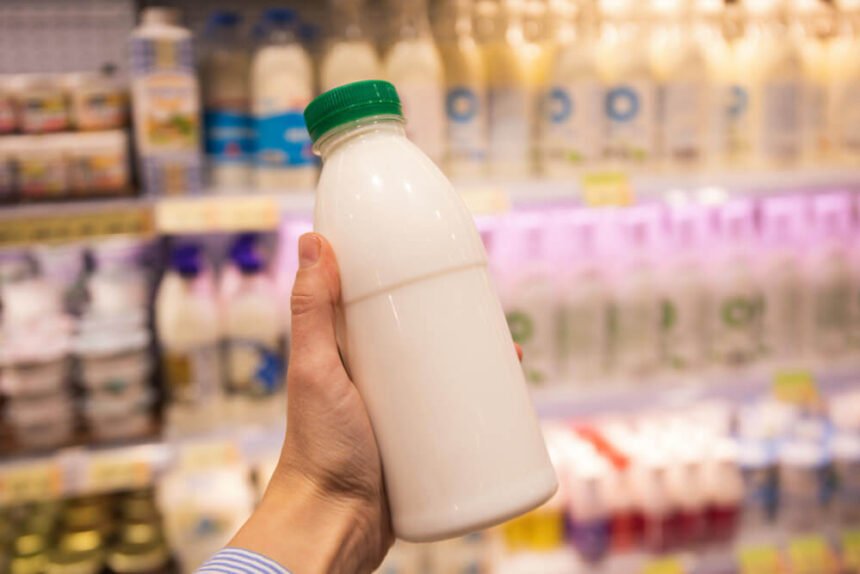
You walk into the grocery store and the organic milk shelf is bare. Meanwhile, the conventional milk section is fully stocked. It feels strange but it is not random. There are real structural reasons this keeps happening, and understanding them helps you shop smarter when it does.
This article covers why organic milk supply is so inflexible, why there can be a national glut and a local shortage at the same time, what is driving current tightness, and what you can actually do when your usual brand is gone.
Why Organic Milk Supply Cannot Adjust the Way Conventional Milk Can
Organic dairy farming runs on strict rules that make scaling up or down very slow. This is the core reason shortages happen even when overall milk production is rising.
Here is the biggest constraint: farmland must go through a three-year transition period before it can grow certified organic feed. A farmer cannot simply decide to go organic and start producing next month. The land has to be managed without prohibited substances for three full years before it qualifies.
On top of that, organic cows must have access to pasture and cannot receive routine antibiotics. These rules are good for animal welfare and product integrity, but they also mean production cannot be cranked up quickly when demand spikes.
And once a farmer exits organic certification to cut costs, getting back in takes years and significant money. That exit is not easily reversed.
Think of it this way: conventional dairy is like a speedboat it can change direction quickly. Organic dairy is like a cargo ship by the time you turn the wheel, you have already traveled a long way in the old direction. This is why organic shortages can persist long after retailers first notice the gap.
There Is Both a Glut and a Shortage and Both Are Real
You may have heard two contradictory things: that there is too much organic milk, and that stores are running out. Both are true they are just happening in different places at the same time.
Nationally, advocacy groups like the Cornucopia Institute have documented what they describe as a glut of organic milk. This oversupply has pushed farmgate prices down, squeezing small family dairy farms that were already operating on thin margins.
At the same time, consumers in specific cities and regions including parts of the Midwest and Northeast have reported recurring empty shelves for certain organic brands. A thread from Cincinnati in 2024–2025 captured shoppers describing exactly this: bare organic milk shelves while conventional milk sat fully stocked nearby.
These two situations are not contradictory. There can be too much organic milk nationally while specific processors, regional distributors, or store contracts run short. The problem is not always total volume it is how that volume is distributed and who has contracts with whom.
It is also worth noting that overall U.S. milk production is rising in 2025–2026, according to USDA forecasts. But that increase is almost entirely in conventional milk. Organic is a separate, smaller system with its own constraints and rising conventional output does not fix an organic supply gap.
What Is Causing Organic Milk Shortages Right Now
Several things are hitting organic dairy supply at once. Here is a clear breakdown:
1. Drought and Feed Shortages
A 2025 drought in the Northeast caused what organic farmers described as catastrophic feed shortages. Organic grain is already more expensive and harder to source than conventional feed drought makes that worse. NOFA New York and NODPA issued appeals in early 2026 for emergency market adjustment payments to keep farms solvent.
When feed becomes unaffordable, farmers reduce herd size. Fewer cows means less milk, and that reduction shows up on shelves weeks or months later.
2. Heat Stress
Unusually high temperatures in 2024–2025 reduced how much milk individual cows produced. Grocery buyers in consumer discussions cited heat waves as a direct cause of organic milk sourcing difficulties. This is not a one-region problem heat stress affects dairy farms across multiple states during summer peaks.
3. Disease Events
H5N1 outbreaks led to culling of cattle and hens in some areas, adding supply stress on top of the climate-related problems. This is one factor among several not the main driver but it contributed to an already difficult environment for organic dairy producers.
4. Farmer Exit During Low Price Periods
Here is a cycle that makes shortages worse over time: when organic milk prices fall due to oversupply, some farmers scale back herds or drop certification entirely to cut costs. That reduces future supply. So even during a current glut, the seeds of the next shortage are being planted.
Pay price data illustrates the pressure. Some grass-fed organic producers were receiving over $52 per hundredweight (cwt) in early 2026. Other organic buyers were paying around $38/cwt. At those lower prices, staying in organic production is hard to justify for many small farms.
How Shortages Show Up for Consumers
Shortages do not always look the same at the store level. Here is what typically happens, in order:
- Prices rise first. Retailers increase organic milk prices before they run out of stock, hoping to manage demand without losing the product entirely.
- Product variety shrinks. Stores may stock only whole and 2% organic milk instead of a full range. Flavored options, half-gallons in specific sizes, or certain brands disappear from the shelf.
- Out-of-stocks follow. If price increases do not reduce demand enough, shelves go bare for certain SKUs or brands.
Shortages also rarely hit all regions at once. One chain or city may be out of stock while another is fully stocked, depending on local processor relationships and distribution contracts. That is why your neighbor in a different city might not believe you when you say organic milk is gone their store may be fine.
Retailers sometimes prioritize larger chains or private-label contracts, which means smaller or independent stores see supply gaps more often. If you shop at a smaller regional grocery, you may experience shortages before larger chains do.
What You Can Do When Organic Milk Is Out of Stock
Here are practical steps you can take, both short-term and long-term:
Short-Term Options
- Try a local or regional organic brand. National brands run out before local ones do. Check what else is on the shelf a smaller regional producer may have stock when the big names are gone.
- Use shelf-stable organic UHT milk. Ultra-high-temperature pasteurized organic milk has a long shelf life and is often stocked separately from the refrigerated section. It is a practical backup.
- Consider grass-fed or pasture-raised conventional milk as a temporary substitute. If your main concern is how the cows were raised, some pasture-certified conventional options meet that standard even without the organic label.
Longer-Term Choices
- Support brands that score well on the Cornucopia Institute’s Organic Dairy Scorecard. The scorecard rates brands from zero to five “cows” based on adherence to organic pasture standards. Higher-scoring brands tend to come from farms that genuinely follow the rules.
- Understand the tradeoff with very cheap organic milk. Extremely low-priced organic milk often comes from large-scale operations that may not fully adhere to pasture requirements. Buying these brands can contribute to market dynamics that push smaller, higher-integrity farms out which reduces the supply of genuinely grass-based organic milk over time.
- Buy in slightly larger quantities when stock is available. If you have the storage space and refrigerator room, picking up an extra carton when supply is good can buffer you against the next gap.
Will This Keep Happening?
The short answer is yes, localized organic milk shortages are likely to recur. Demand is growing at a moderate pace around 2.9% per year through 2036, according to market research from Future Market Insights but supply is constrained by the same structural rules that have always made organic dairy inflexible.
Climate shocks, feed cost spikes, and disease events will continue to hit organic producers harder than conventional ones. The three-year land transition rule does not change. Farmers who exit organic certification during low-price periods take years to return.
One recent data point worth watching: USDA figures show organic milk exports in April 2026 were down nearly 28% from the previous month and down 24% from a year earlier. Lower exports could mean more domestic supply but it also reflects weaker international demand, which adds pricing pressure on U.S. organic dairy farmers.
For broader context on food market trends and how they affect everyday consumers, Start Business Pitch covers developments worth following.
The structural gap between organic supply flexibility and consumer demand is not going away soon. Knowing why it exists and what to do when it shows up at your grocery store puts you ahead of most shoppers standing in front of an empty shelf.
Also Read: