

If you’ve walked past an empty carrot bin lately or noticed your usual 5 lb bag is gone, you’re not imagining things. Shoppers across the U.S. are finding fewer carrot options, higher prices, and thinner shelves and the reasons go beyond a single bad harvest.
This article breaks down exactly what is happening with carrot supply in 2026, why California’s weather is at the center of it, what to expect at the store, how long this may last, and what you can buy instead right now.
What the 2026 Carrot Shortage Actually Means
First, let’s be clear: carrots have not disappeared. This is a tight supply situation, not a total wipeout. But the gaps are real, and prices are noticeably higher in many markets.
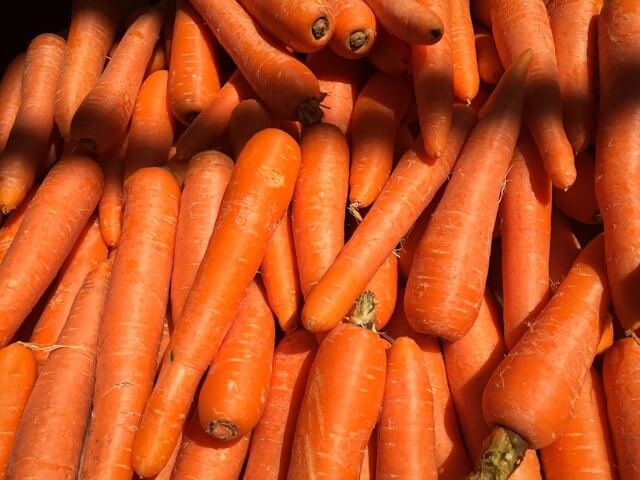
The shortage is most visible with larger-format carrots specifically table and jumbo sizes. Certain branded bags are harder to find than usual. Organic and specialty carrot varieties are hit even harder because their supply base is smaller to begin with.
The impact is also uneven by region. Some areas, including parts of the U.S. Southwest, are reporting normal carrot availability. Markets that rely heavily on California-grown carrots are feeling the squeeze more sharply. So your experience at the store will depend a lot on where you live and where your grocery store sources its produce.
Why Carrots Are in Short Supply Right Now
The core problem starts in Bakersfield, California. In early 2026, the region was hit with extreme rainfall and unusually cold conditions. Fields became saturated. Equipment couldn’t enter without causing serious damage to the soil and crops. Planting and harvest were delayed. Direct crop losses followed, including root rot on carrots that were already in the ground.
This matters a great deal because California is one of the dominant carrot suppliers in the United States. When Bakersfield struggles, the ripple effect moves fast through retail and foodservice channels nationwide.
Industry alerts from early 2026 described the situation as “industry-wide tight,” with a projected gap of four weeks or longer for larger carrot sizes. Prorations meaning suppliers are allocating limited product across buyers rather than filling orders in full have been in effect.
Beyond the weather, several other factors are making things worse:
- Rising input costs. Seeds, fertilizer, fuel, and labor have all become more expensive. Some growers responded by planting fewer carrot acres or switching to other crops.
- Agricultural labor shortages. Even crops that survived the weather aren’t always being fully harvested because there aren’t enough workers.
- Transportation bottlenecks. The product that does exist isn’t always moving from farms to stores as quickly as it should, due to logistics and trucking constraints.
None of these factors alone would cause a shortage. Together, they’ve created a real supply crunch.
How This Shows Up at the Store
Here’s what you’re likely to see or not see when you go shopping right now.
Your usual large bag of California carrots may simply be missing. In its place, you might find smaller pack sizes, a different brand, or nothing at all in that section of the produce aisle. This is exactly what shoppers in New England reported: the 5 lb bags were gone, and store staff confirmed they were receiving reduced shipments directly tied to the Bakersfield weather damage.
Retailers that receive reduced shipments tend to prioritize their largest, long-term retail contracts first. That means bulk bins, foodservice orders, and independent grocery stores often see bigger gaps than major chain stores.
A few other things to expect:
- Prices on available carrots are higher, and promotional deals have mostly disappeared.
- Some chains may introduce purchase limits during peak shortage periods.
- Baby-cut carrots and shredded carrots may still be available even when whole table carrots are not. Packing facilities allocate raw product differently across product lines, so processed formats sometimes stay stocked longer.
If you can only find baby carrots or pre-shredded bags, those are worth grabbing. They work fine for most cooking purposes and are likely drawing from the same underlying supply that whole carrots would.
How Long the Shortage Is Expected to Last
Industry sources anticipated tight supply through at least February 2026, when production in the Bakersfield area typically transitions to the Imperial Valley winter growing region. Early conditions in the Imperial Valley were reported as better than what Bakersfield dealt with, which is a positive sign.
But the timeline is conditional. Recovery depends on:
- How quickly saturated fields in Bakersfield dry out and return to normal.
- Whether Imperial Valley harvests come in without further weather disruptions.
- How the spring growing season performs across other key regions.
Any new storms or cold snaps could delay normalization. This is a developing situation, and no one can give a firm end date. If you’re planning meals or budgets around carrots, it’s reasonable to expect some level of tightness through at least late winter and into early spring 2026.
What to Buy Instead of Carrots Right Now
If your store is out of carrots or the price feels too high, several vegetables work as direct substitutes in most recipes. Here’s a practical list:
- Parsnips: Very close in texture to carrots and slightly sweeter when roasted. They work well in soups, stews, and roasted veggie trays.
- Sweet potatoes: Good for sweetness and color in stews, curries, and roasted dishes. Higher in starch, but they fill a similar role.
- Butternut squash: Works well in soups and braises where you’d normally use large carrot pieces.
- Turnips: Slightly more bitter, but they hold their shape in slow-cooked dishes just like carrots do.
- Beets: Best for dishes where color and earthiness work in your favor. Good roasted or in salads.
- Frozen carrots: If your store has limited fresh carrots, check the frozen vegetable aisle. Frozen carrots often stay available longer because they come from separate supply channels and storage cycles.
For a practical example: a home cook making a beef stew who can’t find affordable carrots can use parsnips and sweet potatoes instead. The dish stays hearty, nutritious, and close to the original. Nutritionally, you’re not losing much many root vegetables offer similar fiber, vitamins, and minerals.
What This Shortage Tells Us About the Food Supply
The 2026 carrot shortage is a clear example of what happens when a country depends heavily on one or two growing regions for a staple crop. When Bakersfield has a bad season, grocery shelves in New England feel it. That kind of sensitivity is a known vulnerability in centralized supply chains.
Food system observers have pointed to this shortage as part of a broader pattern. Extreme weather events heavy rain, unusual cold snaps, heatwaves are disrupting produce supply more frequently. Carrots need relatively stable conditions to develop properly. Volatile weather directly damages germination, root quality, and yields.
For everyday shoppers, this is worth keeping in mind as a general strategy: flexibility in your grocery list, familiarity with substitute vegetables, and awareness of frozen alternatives will serve you well whenever fresh produce runs short whether it’s carrots this year or something else next year.
For more practical news and consumer guidance on topics like this, visit Start Business Pitch.
Quick Summary: What to Do Right Now
If you’re dealing with the carrot shortage today, here’s the short version of what this article covers:
- Don’t panic carrots aren’t gone, supply is just tight, especially for large whole carrots.
- Check the frozen aisle and look for baby-cut or shredded carrot formats if whole carrots are missing.
- Use parsnips, sweet potatoes, butternut squash, or turnips as substitutes in recipes.
- Expect some level of limited supply and higher prices through at least late winter 2026.
- Watch for improvement as growing regions shift to Imperial Valley production but be prepared for delays if weather disrupts that transition too.
The situation is real, it’s tied to specific weather events in a key growing region, and it has a reasonable chance of easing in the coming months. In the meantime, a bit of flexibility at the store goes a long way.
Also Read: