


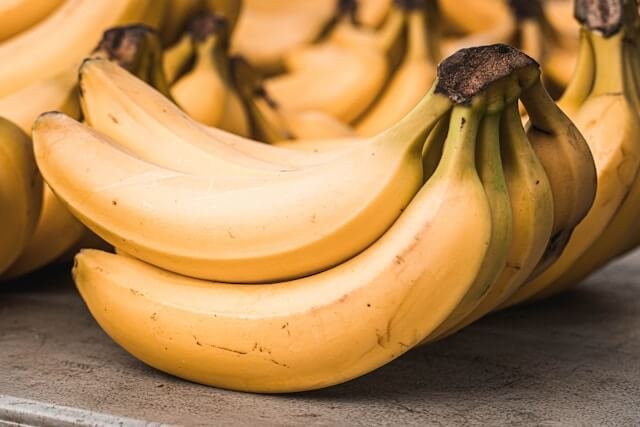
Bananas are the world’s most traded fruit. They sit in nearly every grocery store, cost very little, and most people never think twice about buying them. So when Fresh Del Monte’s chairman publicly warns of a “global shortage in banana production” and Japan reports its worst banana crisis in five decades it’s worth understanding what is actually going on.
This article breaks down what the shortage looks like right now, what is driving it, why some markets are hit harder than others, and what you can realistically expect going forward.
Is There Actually a Banana Shortage Right Now?
Yes, but it helps to understand what “shortage” actually means here. A banana shortage doesn’t mean zero bananas on shelves. It means supply cannot fully meet demand, leading to reduced availability, higher prices, or both.
Fresh Del Monte’s chairman has publicly called this an industrywide problem. The company’s own news release states the imbalance is “mainly caused by a decline in source volumes, driven by climate change and the impact of diseases,” and that available resources are no longer enough to meet even previous demand levels.
At the same time, Fairtrade banana supply is reported as stable heading into 2026. That contrast matters. The disruption is real, but it is uneven some supply chains are under serious stress while others are holding steady.
Social media posts about a “great banana shortage of 2026” often reflect localized pest or quarantine issues. They are not proof of a total global collapse. Think of it more like a production imbalance and regional stress that shows up differently depending on where you live and where your store sources its fruit.
The Main Causes Behind the Supply Crunch
No single factor is responsible. Several problems have collided at once, and they make each other worse.
Climate Change and Extreme Weather
This is the most consistently cited driver across industry sources. Storms, floods, and heavy rainfall do direct damage to crops. They also create conditions where fungal diseases spread faster and become harder to control.
Costa Rica one of the world’s top banana exporters experienced heavy rains in 2024–2025 that promoted the spread of Black Sigatoka, a destructive fungal disease. The result was roughly a 20% drop in banana exports year-on-year. That is a significant hit from a single country.
Banana Diseases: Panama Disease and Black Sigatoka
Panama disease, caused by a soil fungus called Fusarium wilt TR4, is a long-term threat to Cavendish bananas the variety you find in virtually every store worldwide. The fungus can persist in soil for decades. Once a field is infected, it may need to be abandoned entirely.
Disease pressure forces farmers into a difficult position. They either spend more on fungicide treatments, shift growing to new areas, or exit banana farming altogether. All three outcomes reduce supply or raise costs.
Rising Production Costs
Fertilizer, energy, and labor costs have all increased. For an industry that has kept banana prices artificially low for years, there is very little margin to absorb these increases. Some growers are reducing planting or leaving banana cultivation entirely because it no longer makes financial sense.
Shipping and Logistics
Global shipping remains complex and expensive. Bananas are perishable, so any delay or disruption in the cold chain can destroy an entire shipment. These logistics costs add pressure at every step, from farm to shelf.
These causes feed into each other. A storm speeds up disease spread. Disease raises treatment costs. Higher costs push some growers out of the market. Less supply means tighter availability and higher prices for everyone downstream.
Japan’s Banana Crisis Is a Case Study in Indirect Bottlenecks
Japan’s 2026 banana situation is one of the most striking examples of how a shortage can develop and it has almost nothing to do with the bananas themselves.
Japan imports bananas while they are still green. They are then ripened domestically using ethylene gas, which is derived from naphtha a petroleum product. Without ethylene, the bananas never ripen properly and cannot be sold.
Ongoing conflict in the Middle East disrupted oil flows through the Strait of Hormuz, which handles roughly a fifth of global oil. That cut naphtha supplies reaching Japan. By early 2026, Japanese naphtha inventories had reportedly fallen by about 25%.
The Japan Banana Importers Association has described the current situation as the worst banana shortage in five decades. Some importers report having only two to three months of ethylene supply remaining. The Japanese government says naphtha is sufficient to cover domestic needs until next year, but the uncertainty is real.
Think of it this way: it is like a bakery running out of yeast. The flour, water, and ovens are all there but without yeast, there is no bread. Japan has the bananas arriving at port. Without ethylene, they cannot finish the product.
The lesson here is important. The fruit itself does not need to be scarce to create a shortage. A single missing step in the supply chain is enough.
Why the Shortage Hits Some Markets Harder Than Others
Your experience at the grocery store depends heavily on where you live and how your local retailers source their bananas.
Large retailers with long-term supply contracts are generally more protected. They have locked-in volumes and prices, so they absorb shocks better. Smaller buyers, regional importers, or markets without established supplier relationships are more exposed to gaps and price swings.
Certification also plays a role. Fairtrade-certified supply chains reported stable banana volumes going into 2026, while the broader market faced disruption. This suggests that supply structures built around fair pricing and stable relationships with growers are more resilient when conditions get difficult.
Geography matters too. Japan’s crisis is driven largely by its ripening infrastructure and petroleum supply chain, not by banana production volumes globally. A country in Europe or North America may face a different kind of pressure higher import costs, fewer promotional deals, or occasional gaps in specific brands.
What consumers typically notice first is not empty shelves but smaller changes: one brand instead of three, a price increase of 20–30 cents per bunch, or the disappearance of constant “buy one get one” promotions. These are signs of marginal supply stress, not crisis-level scarcity.
What This Means for Consumers, Farmers, and the Industry
For consumers, the most likely near-term experience is higher prices and reduced variety, not a complete absence of bananas. Budget shoppers who rely on bananas as an affordable staple will feel any price increase more acutely.
For farmers in producing countries, the situation is harder. They face the compounding pressure of climate shocks, rising input costs, and buyers who have historically pushed for the lowest possible prices. Some advocacy groups argue that without fairer prices and decent wages, the banana industry faces long-term decline not just from climate or disease, but from the economics becoming unsustainable for growers.
Downstream industries baby food, snack manufacturers, smoothie brands could also see input cost increases if shortages persist.
On the adaptation side, research into disease-resistant banana varieties is underway, including genome-edited alternatives to the Cavendish. These are not yet widely commercialized, but they represent a longer-term path forward. Producers are also experimenting with diversifying sourcing regions and adjusting planting practices to cope with climate volatility.
What the Outlook Looks Like
The honest answer is: more of the same, with added uncertainty.
Mainstream experts are not predicting that bananas will disappear. But they do expect more volatility, regional production shifts, and upward price pressure over the coming years. One climate analysis suggests that by 2080, nearly two-thirds of current banana-growing areas in Latin America and the Caribbean may no longer be suitable for banana cultivation. That is a long-range projection, but it points to a structural vulnerability that the industry is only beginning to address.
The current shortage exposes a deeper fragility: near-total reliance on a single export variety, production concentrated in a few climate-vulnerable regions, and profit margins too thin to absorb disruption.
For practical coverage of business and supply chain news like this, Start Business Pitch tracks the stories that matter to consumers and industry watchers alike.
In the short term, expect bananas to remain available in most markets but at higher prices and with less consistency than before. The era of bananas as the cheapest item in the produce section may be shifting, not because of any single disaster, but because the conditions that made them so cheap for so long are quietly breaking down.
Also Read: