


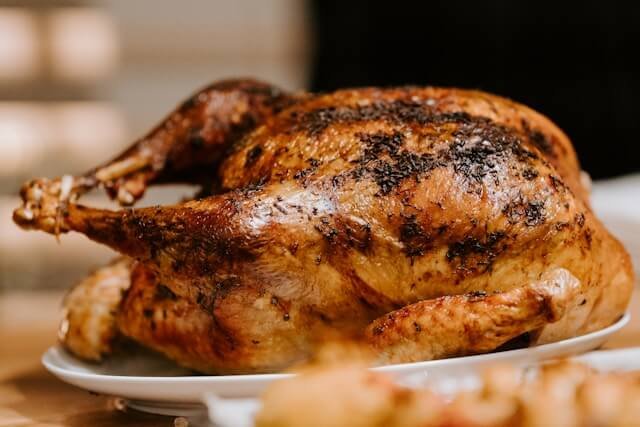
Every fall, headlines warn about turkey shortages. But what does that actually mean if you’re trying to plan a holiday meal? Will shelves be completely empty, or is the situation more complicated than that?
This article breaks down what a turkey shortage really looks like in stores, why it keeps happening, how serious things have gotten, and what you can do right now to plan ahead.
What a Turkey Shortage Actually Looks Like at the Store
First, a shortage does not mean zero turkeys. It means fewer choices, limited sizes, and higher prices. That distinction matters when you’re planning a meal.
Retailers and distributors often receive only a fraction of the birds they pre-booked. So instead of a full display of every size and brand, you might walk in and find gaps on the shelf.
The sizes that sell out fastest are mid-range birds — usually 12 to 16 pounds. Those are what most families want for a holiday meal. When supply is tight, those go first. You may only find very small birds or very large ones left behind.
Pricing also shifts. Turkey prices have reached five-year highs in recent shortage periods, with some seasons seeing costs run 30% higher than the year before. One media report described U.S. turkey availability as the lowest it had been in 40 years.
That said, shortages are not identical everywhere. Some regions feel the squeeze harder than others. Wholesale prices can even stabilize in certain weeks, so the picture changes depending on where you shop and when.
The Main Reasons Turkey Supply Has Dropped
No single cause explains the shortage. Three problems hit the turkey industry at roughly the same time, and together they have created what industry insiders call a “perfect storm.”
Bird Flu Is the Most Direct Cause
Highly Pathogenic Avian Influenza — commonly called HPAI or bird flu — spreads quickly through poultry flocks, often through contact with wild birds. When it’s confirmed on a farm, the entire flock must be culled immediately to stop it from spreading further.
The numbers are significant. Over 6.4 million turkeys were killed in one eight-month outbreak period. In another season, more than 2 million turkeys were lost since late August alone. One industry director put it plainly: the spring bird flu outbreak removed over 5 million turkeys from the market in one stretch.
Feed and Fuel Costs Rose Sharply
Corn, soybean meal, and diesel — three things turkey farms depend on heavily — all got more expensive in recent years. One analysis estimated that production costs for turkey rose by about 18%.
When it costs significantly more to raise a bird, producers respond. Some raised smaller flocks. Others pushed birds to lighter weights rather than letting them grow larger. Either way, fewer total pounds of turkey end up available.
Summer Heat Reduces Turkey Weights
This one gets less attention, but it matters. When temperatures run high in summer, turkeys experience heat stress. They eat less, grow more slowly, and in some cases have higher mortality rates.
This directly limits how much turkey is available by fall. Even without a disease outbreak or cost spike, a hot summer alone can tighten supply heading into the holiday season.
All three of these factors — bird flu, cost increases, and heat stress — have overlapped in recent seasons. That overlap is why the industry has struggled to keep up with demand.
U.S. Turkey Production Has Been Falling for Decades
Here’s the bigger picture: recent shortages are not just one-off events. They sit on top of a long, slow decline in how many turkeys the U.S. raises each year.
In 2025, an estimated 195 million turkeys will be raised in the U.S. That sounds like a lot. But it’s down about 3% from 200 million in 2024. It’s 16% below where production stood roughly a decade ago. And it’s 35% below the all-time peak of around 301 million birds in 1996.
A shrinking baseline means the industry has less room to absorb shocks. When bird flu hits or costs spike, there’s less buffer. Losses cut deeper into what’s left.
Major processors have felt this directly. Hormel Foods, the parent company of Jennie-O Turkey Store, warned investors that its turkey supply would be roughly 20% lower than usual through early 2023. That kind of signal from a large producer has a ripple effect across the whole market.
How Bird Flu Spreads and Why Recovery Takes So Long
Understanding the timeline of an HPAI outbreak helps explain why shortages can stretch for months after the initial news dies down.
When bird flu is confirmed on a farm, the entire flock is culled. The farm then has to be fully cleaned and cleared before any new birds can be brought in. That process takes time.
Once a farm is cleared, producers start over with poults — baby turkeys. A turkey poult takes approximately 4 to 5 months to reach market weight. So a farm hit by an outbreak in February won’t have replacement birds ready until late summer at the earliest. That directly cuts into fall and holiday supply.
Jennie-O confirmed that HPAI was found in its supply chain and has invested in stronger biosecurity measures — restricted farm access, stricter sanitation, and better controls against wild bird contact. But biosecurity improvements help prevent future outbreaks, not speed up the rebuilding of flocks that were already lost.
This is why turkey shortages can still affect store shelves months after an outbreak first made headlines.
What You Can Do Right Now as a Consumer
You can’t control bird flu or feed costs. But you can make practical decisions that reduce the chance of being stuck without a main course on a holiday that matters to you.
Buy Frozen Early
If you’re planning a holiday meal and turkey is important to you, buy it frozen as early in the season as possible. Frozen turkeys keep safely for several weeks in the freezer. Don’t wait until the week before Thanksgiving to start looking.
Be Flexible About Size
If your local store only has a 10–12 lb bird when you wanted a 14-pounder, adjust. A smaller turkey plus extra side dishes covers the gap. Or buy a larger bird and freeze the leftovers — turkey portions freeze well and can be used in soups, sandwiches, and casseroles for weeks.
Call Ahead or Pre-Order
If a specific size is important to you, don’t rely on showing up and finding it. Call your local butcher or grocery store a few weeks out. Ask if they’re taking pre-orders for whole birds. Many will hold one for you if you ask early enough.
Consider Real Substitutes
If turkey is unavailable or priced well beyond your budget, whole roasted chicken is the most natural substitute for a holiday centerpiece. Ham is another strong option, particularly for families who already rotate it into holiday meals. For everyday recipes like pot pie, soups, or sandwiches, chicken works in virtually every turkey application without changing the dish much.
Don’t Overlook Bone-In Breast Roasts
Bone-in turkey breast roasts are often available when whole birds are not. They cook faster, work well for smaller gatherings, and tend to be overlooked by shoppers focused on finding a whole bird. Worth checking.
Is This the New Normal?
The production data suggests that turkey supply is unlikely to bounce back to where it was 20 or 30 years ago. Flock sizes have been declining for decades, and there’s no clear trend reversing that.
What that means for you: shortages may keep recurring, especially around the holidays, when demand spikes at exactly the moment supply is tightest. Disease outbreaks or cost increases will continue to cause disruptions when they hit a smaller baseline.
For more coverage on food supply trends, consumer pricing, and industry news, visit Start Business Pitch for regular updates.
The good news is that “shortage” has consistently meant reduced choice and higher prices — not complete absence of turkey. Stores will have birds. Shoppers who plan early and stay flexible will be in a much stronger position than those who wait.
Quick Summary: What to Do If You’re Worried About Finding a Turkey
- Buy frozen early — don’t wait until the week before the holiday.
- Be flexible on size — mid-range birds sell out first; adjust your recipe if needed.
- Pre-order from a butcher or grocery store if a specific size matters to you.
- Consider bone-in turkey breast as an alternative to a whole bird.
- Use chicken or ham if turkey is too expensive or genuinely unavailable in your area.
- Check weekly — wholesale prices and availability can shift quickly, so a store that was out last week may have stock this week.
Turkey shortages are real, but they are manageable with a little planning. The worst outcome usually comes from waiting too long and having no backup plan. Start now, stay flexible, and you’ll have a meal on the table either way.
Also Read: