

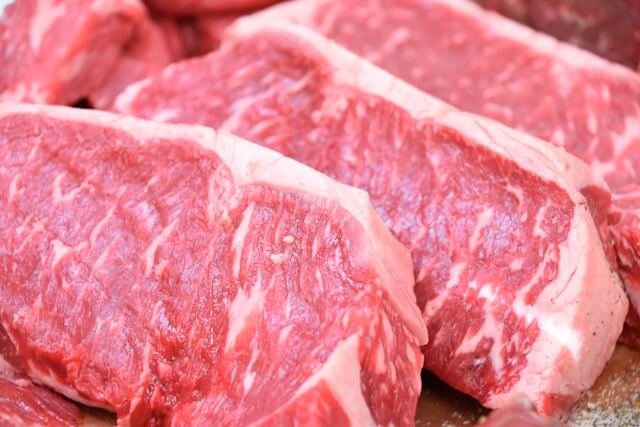
Ground beef that cost around $3.90 per pound in 2020 now runs close to $6.70 per pound at most grocery stores. That is a 72% increase in just a few years — and analysts say prices are not coming down anytime soon.
This article breaks down exactly why beef supply is tight, what is pushing prices to record levels, how long the situation is expected to last, and what you can do about it at the grocery store.
This Is a Supply Squeeze, Not Empty Shelves
First, a clarification. When people say “beef shortage,” they do not mean beef has disappeared from stores. You can still buy beef. The issue is that supply is tight, prices are high, and the deals you used to find are mostly gone.
Here is what “shortage” actually looks like in practice:
- Fewer sale prices on ground beef and steaks
- Limits on how much you can buy during advertised specials
- Less variety in certain cuts, especially at warehouse and discount stores
- Higher prices across the board, with no sign of relief
Ground beef averaged roughly $6.70 per pound nationally in early 2026, according to USDA data. That is nearly $1 more than a year earlier and about 72% higher than 2020. Some premium or organic options in certain markets are approaching $9 to $10 per pound.
The U.S. Cattle Herd Is the Smallest It Has Been in 75 Years
The root cause of all of this is straightforward: there are fewer cattle in the United States right now than at any point since the early 1950s.
Beef cow slaughter was down roughly 17% year-over-year through mid-April 2026. That marks the fourth straight year of double-digit declines. USDA projects 2026 commercial beef production at around 25.7 billion pounds, down from 26.0 billion in 2025.
Cattle also have a long production cycle. It takes 1.5 to 3 years from breeding to slaughter. That is very different from chicken, which goes from chick to broiler in about 6 to 8 weeks. Decisions ranchers made in 2021 and 2022 are directly affecting how much beef is available in 2024 through 2026.
Heifer retention — keeping young females for breeding instead of selling them — has shown only limited improvement in 2026. That means the herd will not rebuild quickly, even if everything else improves.
Drought Forced Ranchers to Sell Off Breeding Cows
So why did ranchers reduce their herds in the first place? The short answer is drought.
Severe, multi-year drought hit Texas, Oklahoma, Kansas, and other major cattle states hard. Pastures dried up. Hay prices shot to around $250 per ton or higher. Feeding cattle through those conditions became extremely expensive.
Ranchers made a practical financial decision: sell the cows now rather than pay to feed them. That short-term choice had serious long-term consequences. Selling breeding cows temporarily increased slaughter numbers — which actually masked the problem for a while — but it wiped out the breeding base needed to produce future calves.
Think of it like a pipeline. The drought in 2021 and 2022 means there are simply fewer cattle moving through that pipeline in 2024 through 2026. Rain coming back to the pastures does not immediately put beef in the grocery case. Rebuilding a herd takes years, not months.
Two Trade Problems Made the Supply Situation Worse
The tight domestic supply would be bad enough on its own. But two separate trade problems hit at almost the same time, cutting off key sources of imported beef.
The Screwworm Crisis on the U.S.–Mexico Border
The U.S. imports cattle and lean beef trimmings from Mexico. In 2026, a screwworm infestation along the U.S.–Mexico border effectively pushed Mexican cattle imports to near zero.
Screwworms are parasitic fly larvae that burrow into open wounds on livestock. Without treatment, they can be fatal. The outbreak triggered quarantine measures and movement restrictions that shut down cross-border cattle trade almost entirely for a period in 2026.
Feedlots that normally rely on imported feeder cattle from northern Mexico had to bid more aggressively for domestic calves. That competition pushed prices higher all the way up the supply chain.
Tariffs on Brazilian Beef
The U.S. also imports lean beef trimmings from Brazil, which get blended with domestic fattier trimmings to produce ground beef. In 2025, tariffs on Brazilian beef reached up to 76%. That sharply raised the cost of ground beef production and removed one of the largest sources of affordable lean trimmings from the market.
In response, the Trump administration quadrupled Argentina’s beef import quota as a partial offset and launched a Department of Justice antitrust investigation into the major meatpacking companies. Those are meaningful steps, but they do not immediately fix a structural supply problem that took years to develop.
Meatpacker Concentration Is Amplifying the Problem
Four large companies control most of the beef slaughter capacity in the United States. When supply is already tight, that kind of concentration makes price shocks worse.
Think of it like having only four major bridges over a river. If all four slow down at the same time, everything backs up — and the cost to cross goes up.
Lawsuits and investigations have alleged that some large packers shared sensitive market data, restricted slaughter capacity to keep cattle prices low, and used captive-supply contracts that limit ranchers’ ability to negotiate. The DOJ antitrust probe is ongoing as of 2026, and outcomes remain uncertain. But the investigation reflects real concern that industry structure is making the beef price problem harder for consumers and ranchers alike.
Prices Are Still Rising — Here Is What USDA Expects
The USDA’s Food Price Outlook projected farm-level cattle prices up 6.1% in 2026, following a 20.8% increase in 2025. Wholesale beef prices were projected up 6.9% in 2026, after rising 13.9% in 2025.
Beef prices are rising roughly six times faster than overall food inflation. Economists expect prices to stay elevated through at least 2027, with no quick path back to where things were even three or four years ago.
Multiple factors would all need to improve at once to bring prices down meaningfully: the herd would need to rebuild, weather conditions would need to cooperate, trade policy would need to open more affordable import channels, and disease controls would need to hold. None of that happens fast.
What Consumers Can Actually Do Right Now
You cannot control cattle herd sizes or trade policy, but you can make practical adjustments that stretch your food budget without giving up beef entirely.
Choose cheaper cuts
Chuck roast, ground chuck, and beef stew meat cost less per pound than steaks or premium ground beef. They work well in slow cooker meals, tacos, and stir-fries. The flavor is often just as good — sometimes better.
Buy in bulk when you find a deal
Sales are less frequent now, but they still happen. When you see ground beef or roasts on markdown, buying a few extra pounds and freezing them makes sense. Beef freezes well for up to four months.
Rotate in other proteins
Chicken and pork are significantly cheaper per pound right now. Swapping beef for chicken or pork in two or three meals per week can noticeably reduce your grocery bill without eliminating beef from your diet.
Watch for limits on sale quantities
During tight supply periods, stores often put per-customer limits on advertised specials. Know the limit and plan accordingly. If the store allows two packages at the sale price, grab two.
Consider local or direct-from-rancher options
In some areas, buying a quarter or half cow directly from a local ranch still offers better value per pound than retail prices, especially for higher-quality beef. It requires freezer space, but the math often works out.
When Will Beef Prices Come Down?
The honest answer is: not soon. Every major data source — USDA, industry analysts, and independent economists — points to tight supplies and high prices through at least 2027.
The structural forces behind this shortage took years to develop and will take years to unwind. Even if pastures recover and ranchers start retaining more heifers today, those calves will not reach slaughter weight for another 1.5 to 3 years.
A few things could improve the situation faster than expected: a significant change in tariff policy, a swift resolution of the screwworm crisis, or a meaningful shift in consumer demand away from beef. But none of those are guaranteed, and some are already underway without producing major price relief yet.
For ongoing coverage of economic trends affecting your grocery budget and business decisions, Start Business Pitch tracks the news that matters to consumers and entrepreneurs alike.
For now, the most useful thing to understand is this: the beef shortage is real, it is structural, and it is not going away with the next news cycle. Adjust your expectations and your shopping habits accordingly.
Also Read: